
Resource Guide
Bringing Home a Rescue or Shelter Dog: What to Expect & How to Set Them Up for Success
Adopting a dog from a shelter or rescue is one of the most rewarding things you can do — and almost always, it begins with an emotional connection. You see a sweet face behind a kennel door, feel an instant pull to help, and want to give that dog the loving home they deserve.
Because adoption starts from the heart, it is completely natural to want to shower your new dog with affection, freedom, toys, and outings right away. However, from your dog's perspective, moving from a stressful, noisy shelter into a brand-new home is a massive transition. Even a wonderful, loving environment feels unfamiliar at first.
When we balance our warmth and excitement with calm structure, clear boundaries, and patience, we give a rescue dog the exact thing they need most: a sense of safety. Here is what to expect during the transition and practical steps you can take from day one to help both you and your dog succeed.
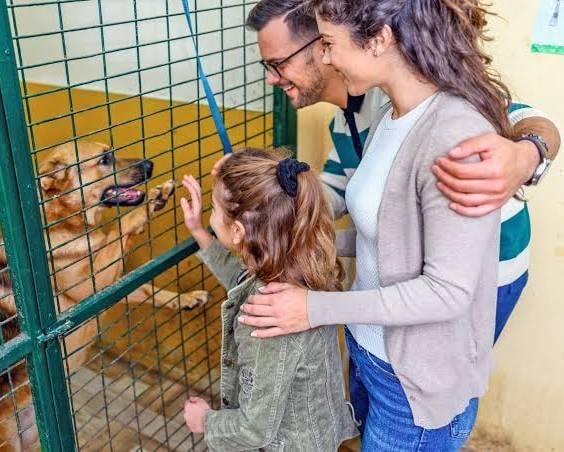
Understanding the Transition: The 3-3-3 Rule
Every rescue dog adjusts at their own pace, but most follow a predictable decompression timeline. Knowing what is normal helps prevent frustration and keeps expectations realistic:
The First 3 Days — Decompression & Overwhelm
Your dog is processing a sudden change in sights, smells, sounds, and routines. They may seem shut down, overly quiet, pacing, hesitant to eat or drink, or testing boundaries out of confusion. Give them time to simply breathe and observe.
The First 3 Weeks — Settling In & Learning the Routine
As your dog realizes they are safe, they begin learning your household schedule. This is also when their true personality — and any underlying insecurities, reactivity, or pushy habits — may start to surface.
The First 3 Months — Building Trust & Security
With consistent daily leadership and predictable routines, your dog begins to truly feel at home. Trust deepens, communication becomes clearer, and the bond between you becomes solid.
What to Do to Help Your Dog Feel Safe
Create a Quiet, Safe Retreat
Set up a crate or quiet resting space away from heavy foot traffic. A crate is never a punishment; it acts as a secure den where your dog can decompress without feeling responsible for monitoring the entire house.
Establish Structure and Boundaries Early
Dogs feel safest when they know what is expected of them. Start gentle, predictable rules from day one — such as waiting calmly at doorways, practicing structured potty breaks, and keeping feeding times consistent — rather than giving full run of the house immediately.
Let Your Dog Approach on Their Terms
Resist the urge to lean over, hug, or crowd a nervous dog. Keep interactions calm, let them sniff and initiate contact when they feel ready, and advocate for their space if family members or children get too excited.
Keep Early Outings Calm and Controlled
Focus on quiet, structured leash walks in low-distraction areas rather than throwing your dog into busy environments. Building calm focus around you first sets the foundation for everywhere else you go together.
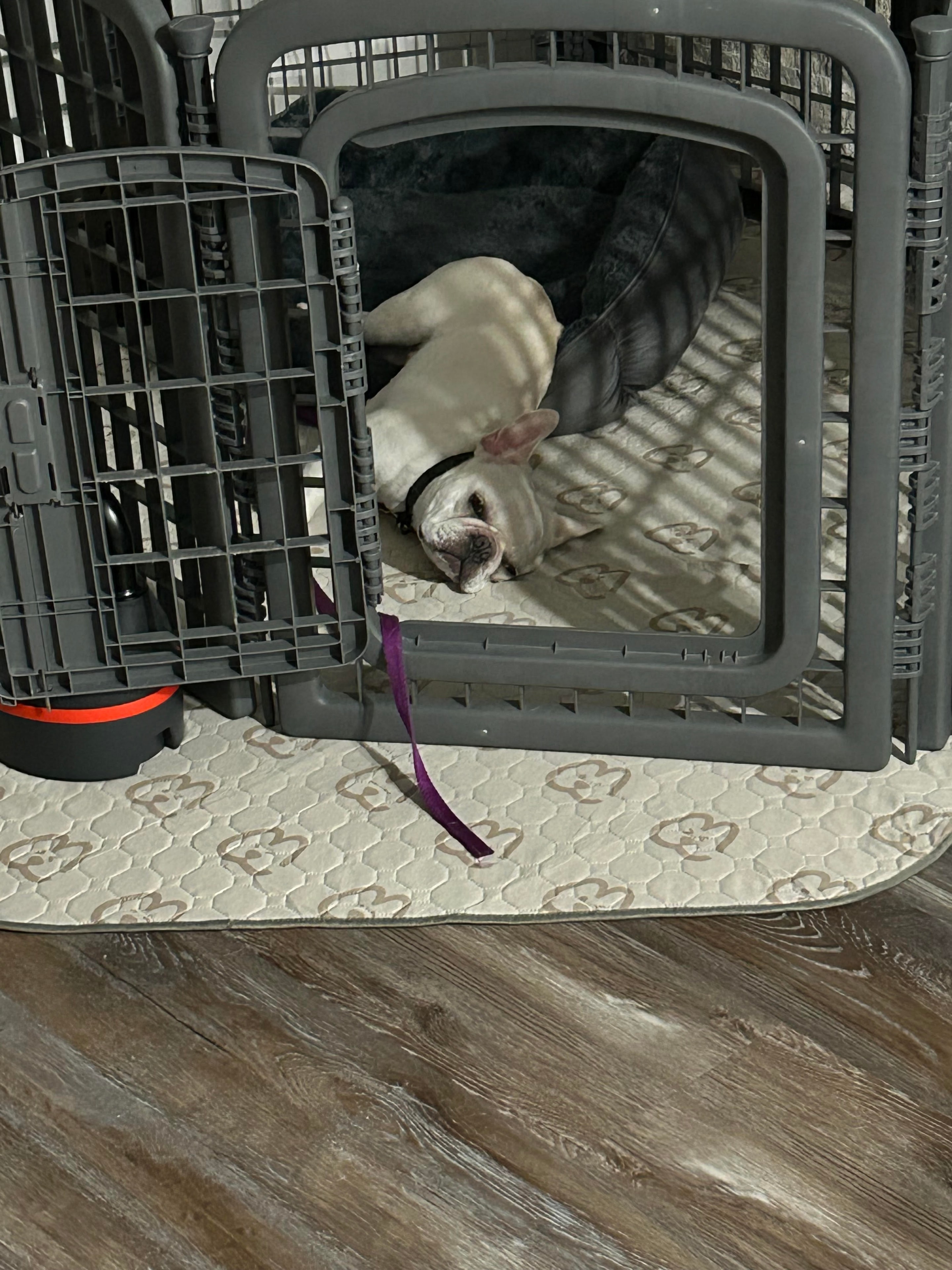
Introducing Your Rescue Dog to Resident Pets & Children
Adding a new dog to an active household requires careful management so every family member — two-legged and four-legged — feels safe and respected:
Start Resident Dog Introductions on Neutral Ground
Before bringing your new dog inside, introduce resident dogs outdoors on neutral territory with two handlers holding loose leashes. Walk parallel at a comfortable distance, keep greetings brief and relaxed, and never force face-to-face nose-to-nose contact.
Manage Shared Resources & Space Indoors
For the first several weeks, pick up high-value toys, chews, and food bowls before dogs mingle. Feed dogs separately and use baby gates or crates so your resident pets still get uninterrupted downtime and one-on-one attention.
Go Slow with Resident Cats
Keep your new dog separated from cats using a closed door or baby gate at first. Allow scent swapping and calm, leashed observation before ever permitting free interaction, ensuring cats always have high perches or escape routes.
Coach Children on Calm, Respectful Boundaries
Teach children never to hug, climb on, chase, or hover over the new dog. Make a strict house rule: never approach a dog while they are sleeping, eating, chewing a bone, or resting inside their crate. Always call the dog's name calmly from a distance so they wake up and choose to approach.
Provide 100% Active Adult Supervision
Until trust and clear communication are well established, never leave children and a newly adopted dog together unsupervised — even for a minute.


Common Mistakes to Avoid in Week One
Overwhelming Them with Visitors or Parties
Friends and family will be eager to meet your new addition, but a parade of new people in the first few days can spike anxiety and trigger defensive behaviors. Give your dog at least a week or two to settle in first.
Visiting Dog Parks or Busy Pet Stores
You are still learning your dog's triggers, body language, and temperament. Unpredictable off-leash dogs or crowded aisles can easily overwhelm a newly adopted dog and create lasting fear or leash reactivity.
Forcing Affection When They Need Space
If a dog freezes, turns their head away, tucks their tail, or yawns nervously when petted, they are asking for a break. Respecting those subtle signals builds deep trust and prevents warning growls or snaps.
Start Your Journey Together with Confidence
You do not have to figure everything out on your own. Whether your newly adopted dog is shy and hesitant, overly excitable, or struggling with leash manners and house boundaries, starting with the right guidance makes all the difference.
At DePaul K9 Academy, we specialize in private, in-home training tailored to your dog's unique background and your household's daily life. Contact us today to schedule your Initial Consultation and build a calm, confident partnership from the start.
Schedule Your Initial Consultation